Wondering what “luxury” really means in Lower Merion right now? If you are buying or selling in Merion or the surrounding Main Line communities, the answer is more nuanced than a single price point. This market blends historic homes, estate settings, and strong demand, so you need to read the numbers in context. In this guide, you will get a clear look at how the Lower Merion luxury market works, what drives value, and how to think about pricing and opportunity. Let’s dive in.
What Counts as Luxury in Lower Merion?
In Lower Merion, luxury is best treated as roughly $1 million and up. That benchmark makes sense when you compare the township’s median listing price of $812,000 with the March 2026 detached median sold price of $1.25 million and current seven-figure inventory stretching as high as $9.9 million.
That said, luxury here is not one-size-fits-all. Lower Merion includes a range of villages and neighborhoods with very different price profiles, so a township-wide average only tells part of the story.
Why Micro-Markets Matter
One of the biggest mistakes you can make in Lower Merion is treating every area the same. Realtor.com data shows a wide internal spread, with median listing prices around $499,000 in Bala Cynwyd, $550,000 in Merion Station, $680,000 in Wynnewood, and $2.6475 million in Gladwyne.
That range is exactly why luxury buyers and sellers need a micro-market lens. A home’s value depends not just on square footage, but on where it sits within the township, how it compares to nearby homes, and what type of setting it offers.
Lower Merion Luxury Price Tiers
A practical way to understand this market is to break it into tiers based on current inventory and pricing patterns.
Move-Up Luxury: $1M to $2.5M
This is often where you will find buyers stepping into the luxury segment or moving within the Main Line for more space, a different location, or upgraded finishes. Homes in this band may offer classic architecture, updated interiors, and strong everyday functionality.
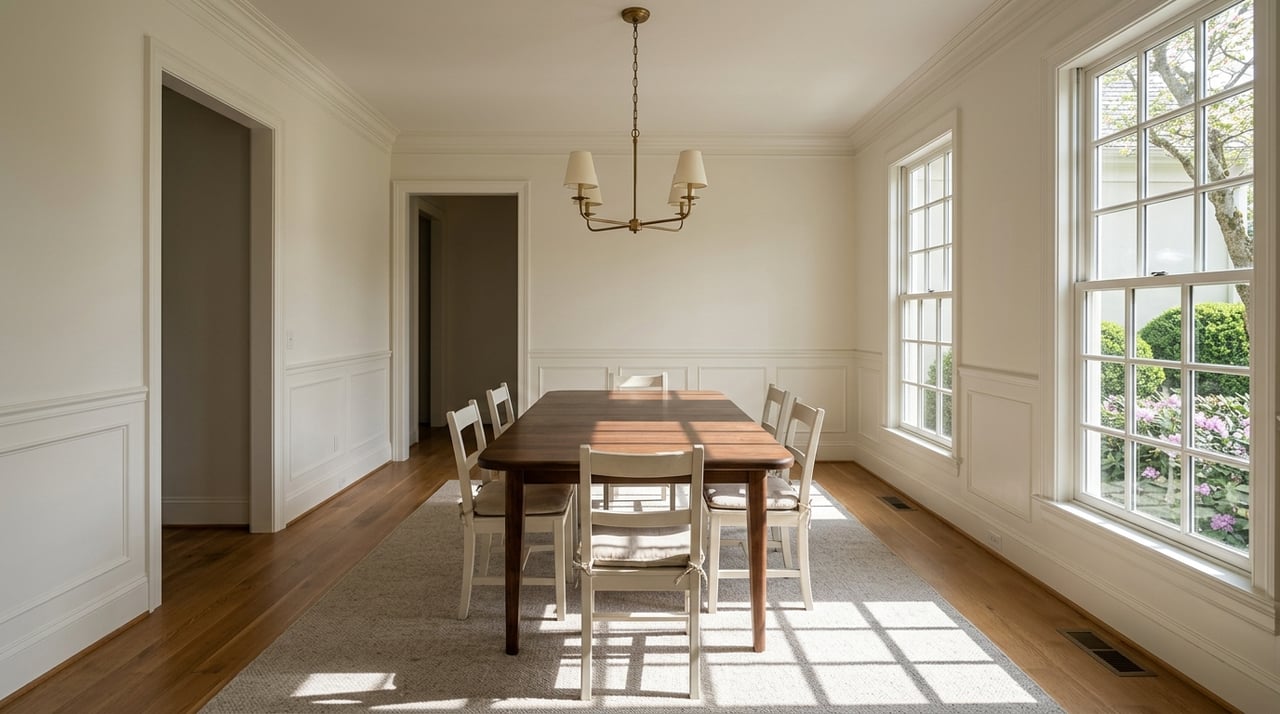
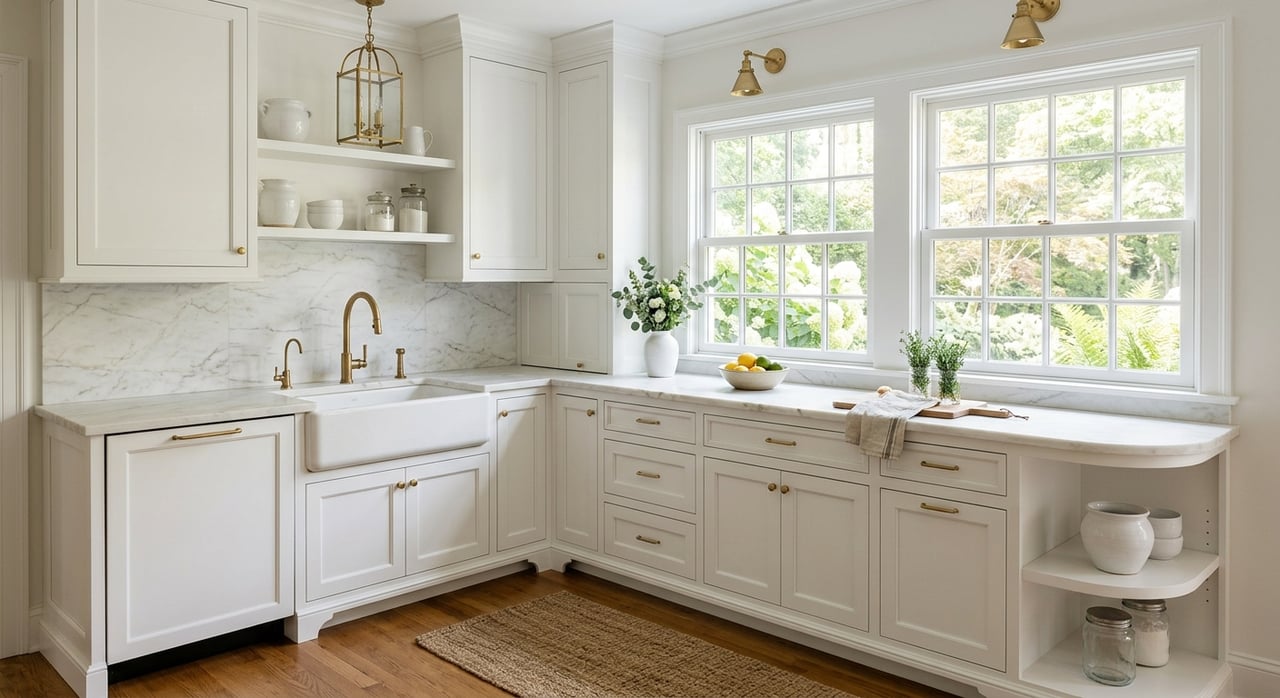
In many cases, this tier includes detached homes with premium kitchens, renovated baths, flexible family space, and established lots. It can also include well-located homes in Merion-area communities where demand stays steady.
Estate Tier: $2.5M to $5M
Once you move into this range, land, privacy, and setting often become much bigger pricing drivers. Buyers are usually looking for more than a nicely finished house. They want a property that feels distinct.
This tier may include larger homes on sizable parcels, classic stone architecture, gated or fenced grounds, and amenities designed for both daily living and entertaining. In Lower Merion, that often means a stronger emphasis on privacy and usable outdoor space.
Trophy Tier: Above $5M
At the top of the market, Lower Merion inventory includes homes listed at $7.495 million and $9.9 million, both with over 11,000 square feet. These properties compete on a different level.
Here, value tends to come from a combination of scale, architecture, land, and rarity. Buyers in this tier are not just comparing finishes. They are evaluating whether a home offers something difficult to replicate.
What Buyers Are Paying For
In Lower Merion luxury real estate, the premium is rarely about cosmetics alone. The strongest value drivers are usually architectural character, lot quality, privacy, and practical high-end features.
Traditional Architecture Still Leads
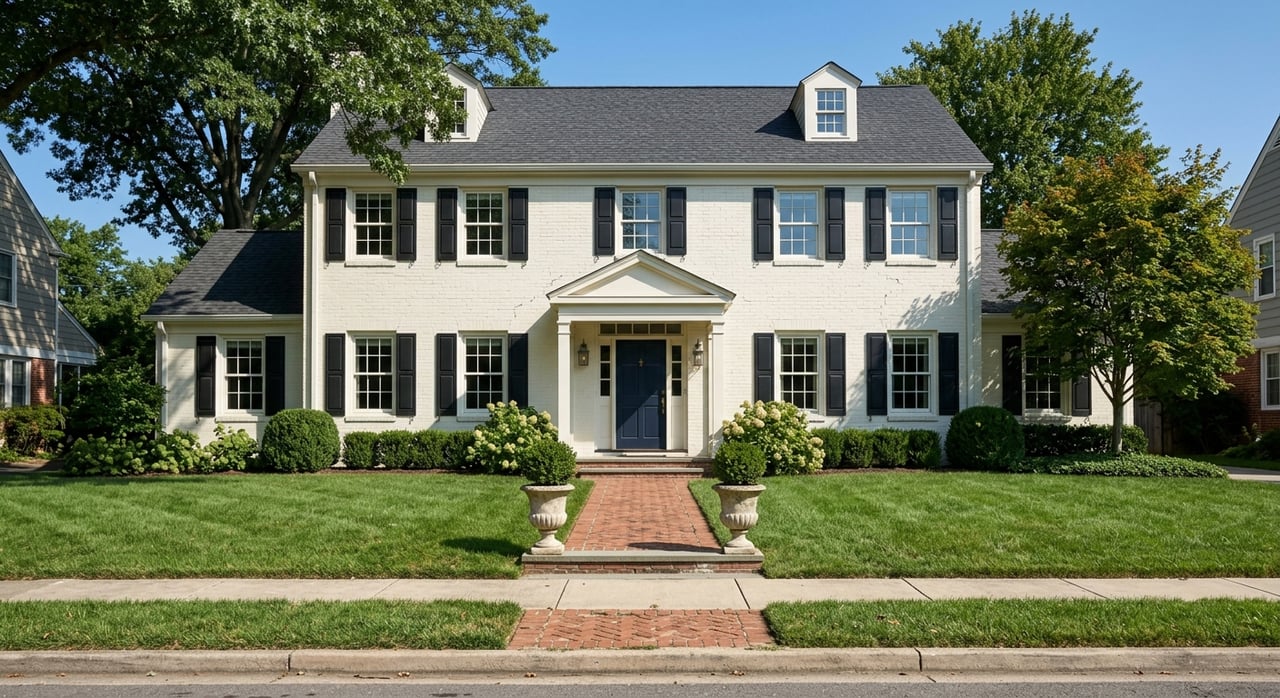
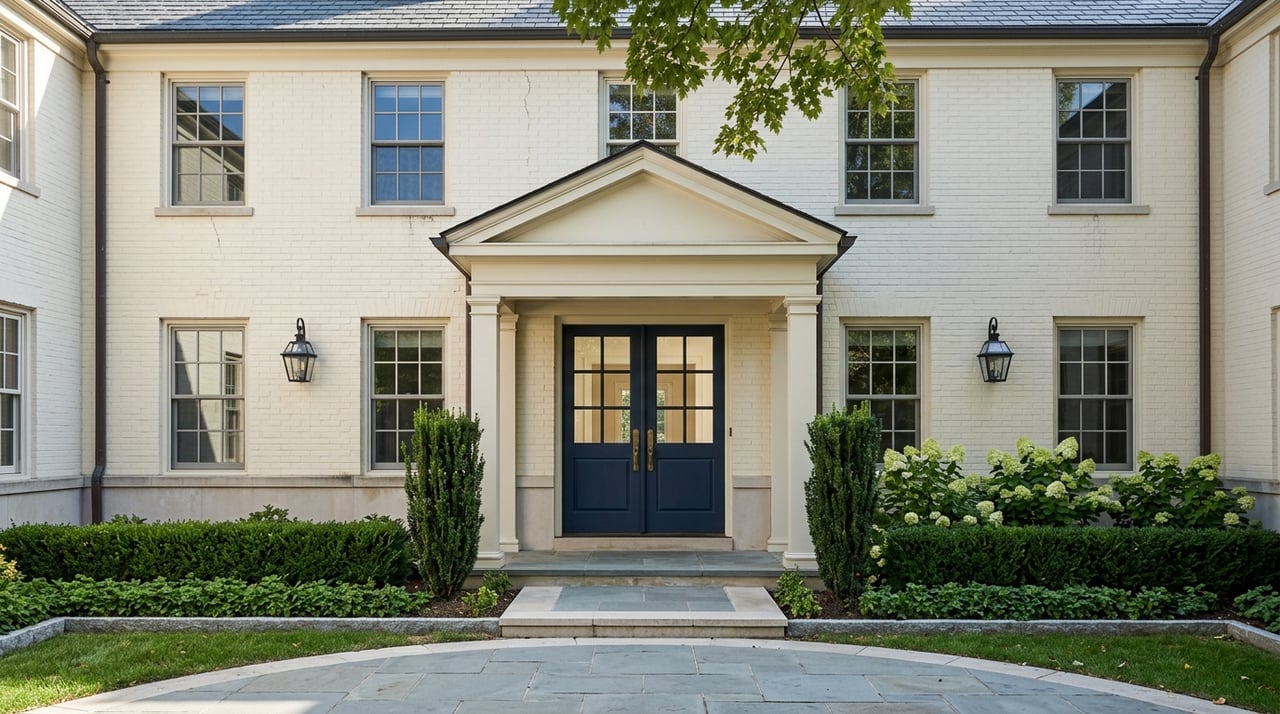
Traditional Main Line architecture continues to shape buyer expectations in this market. Township design guidance emphasizes traditional architecture and historic resources, and current listings reflect that with stone Colonials, slate-roof homes, stone Tudors, English Tudors, French Colonial homes, and newer construction with updated floor plans.
For buyers, that means style still matters. For sellers, it means presentation should highlight timeless design, not just recent updates.
Lot Size Changes the Conversation
Lot size is one of the clearest value separators in Lower Merion luxury. Current examples range from about 0.28 acres in Merion Station to estate parcels of 3.85 and 4.87 acres in Gladwyne and Villanova.
That difference can move a home into a completely different pricing tier. In this market, usable land, privacy, and setting can matter as much as interior square footage.
Functional Luxury Wins
The luxury features showing up in current inventory are telling. Amenities include saltwater pools, elevators, nanny suites, estate fencing, flat backyards, custom built-ins, quartz countertops, multiple fireplaces, and secluded settings.
These details point to an important pattern. Buyers in this segment often put a premium on comfort, privacy, and convenience over trend-driven upgrades alone.
How the Market Is Performing
As of March 2026, Lower Merion was considered a balanced market overall. Realtor.com reported 233 homes for sale, a 100% sale-to-list ratio, and a median 27 days on market.
At the same time, inventory was up 27.33% year over year, median sale price was up 1.63%, days on market increased 8%, and price per square foot rose 7.37%. In plain terms, buyers had somewhat broader selection, but demand remained steady.
Detached Luxury Is Stronger Than the Headlines
For the luxury segment, detached-home data is the more useful signal. In March 2026, Lower Merion detached homes posted a median sold price of $1.25 million, an average of 30 days on market, and an average sold-to-original-list ratio of 104.6%.
That matters because it shows well-positioned detached homes are still attracting serious demand. The contract ratio of 1.70 pendings per active listing also points to seller-favorable conditions when pricing is aligned with the market.
Compared with Montgomery County detached homes overall, Lower Merion clearly trades at a premium. Countywide detached homes posted a median sold price of $528,500, 33 average days on market, and a 99.5% sold-to-list ratio.
Why Property Type Matters
Not all housing types are moving the same way. In Lower Merion, attached homes had a 69-day average time on market and a 94.8% sold-to-original-list ratio in March 2026.
That is a very different performance pattern from detached homes. If you are buying or selling a luxury single-family property, attached-home data should not be used to judge detached demand or pricing strategy.
What This Means for Sellers
If you are considering selling in Merion or the broader Lower Merion market, the current environment rewards precision. Strong detached-home demand does not mean every luxury listing will perform the same way.
The homes that tend to stand out are the ones priced against the right micro-market and positioned around the features buyers actually value. In this market, that often means focusing on the following:
- Lot quality and privacy
- Architectural character
- Functional luxury features
- Renovation level
- Like-for-like neighborhood comparisons
For higher-end sellers, polished marketing also matters. A home competing in the seven-figure range needs a presentation strategy that reflects its value and speaks to the right audience.
What This Means for Buyers
If you are shopping in the Lower Merion luxury market, broad averages can be misleading. You may see a balanced market headline, but the detached luxury segment can still feel competitive when a property is well-located, well-designed, and properly priced.
That means buyers should be ready to compare homes carefully by neighborhood, lot size, condition, and architecture. Two homes with similar square footage can have very different value depending on setting and usability.
It also helps to know your priorities early. If privacy, flat outdoor space, or traditional stone architecture are high on your list, your search may narrow quickly, especially in the more established luxury pockets.
Historic Homes Need Extra Attention
Lower Merion’s historic character is part of its appeal, but it can also affect renovation and resale strategy. The township’s HARB and Historical Commission review changes to designated properties and historic districts.
For buyers, that means due diligence matters if you are planning exterior changes. For sellers, it means timing, scope, and approvals can play a role in how you prepare a property for market.
The Real Story Behind Lower Merion Luxury
The Lower Merion luxury market is best understood as a collection of distinct high-value micro-markets, not a single uniform category. Price point matters, but so do land, architecture, privacy, and the kind of everyday livability a property offers.
For buyers, that creates opportunity if you know how to read the market correctly. For sellers, it creates a strong case for data-driven pricing, thoughtful positioning, and a high-touch strategy that reflects how discerning buyers make decisions.
If you are thinking about buying or selling in Merion or anywhere in Lower Merion, working with an advisor who understands both the numbers and the nuances can make all the difference. To start the conversation, connect with Larisa Bevan.
FAQs
What is considered a luxury home in Lower Merion?
- In the current market, luxury is best viewed as roughly $1 million and up, based on local listing prices, detached sold data, and current seven-figure inventory.
How fast are detached luxury homes selling in Lower Merion?
- In March 2026, detached homes in Lower Merion averaged 30 days on market and sold at 104.6% of original list price on average.
Why does Lower Merion luxury pricing vary so much by area?
- Pricing varies because Lower Merion includes several distinct micro-markets, and factors like neighborhood, lot size, privacy, and housing style can shift value significantly.
What features add the most value in Lower Merion luxury homes?
- Traditional architecture, larger and more usable lots, privacy, and functional luxury amenities like pools, elevators, built-ins, and flexible living space are key value drivers.
Should buyers use condo and townhouse data to judge Lower Merion luxury demand?
- No. Attached homes have shown different market behavior, so detached luxury buyers should focus on like-for-like detached comparisons.
Do historic rules affect luxury homes in Lower Merion?
- Yes. For designated properties and historic districts, exterior changes may be reviewed by the township’s HARB and Historical Commission, which can affect renovation planning and resale timing.