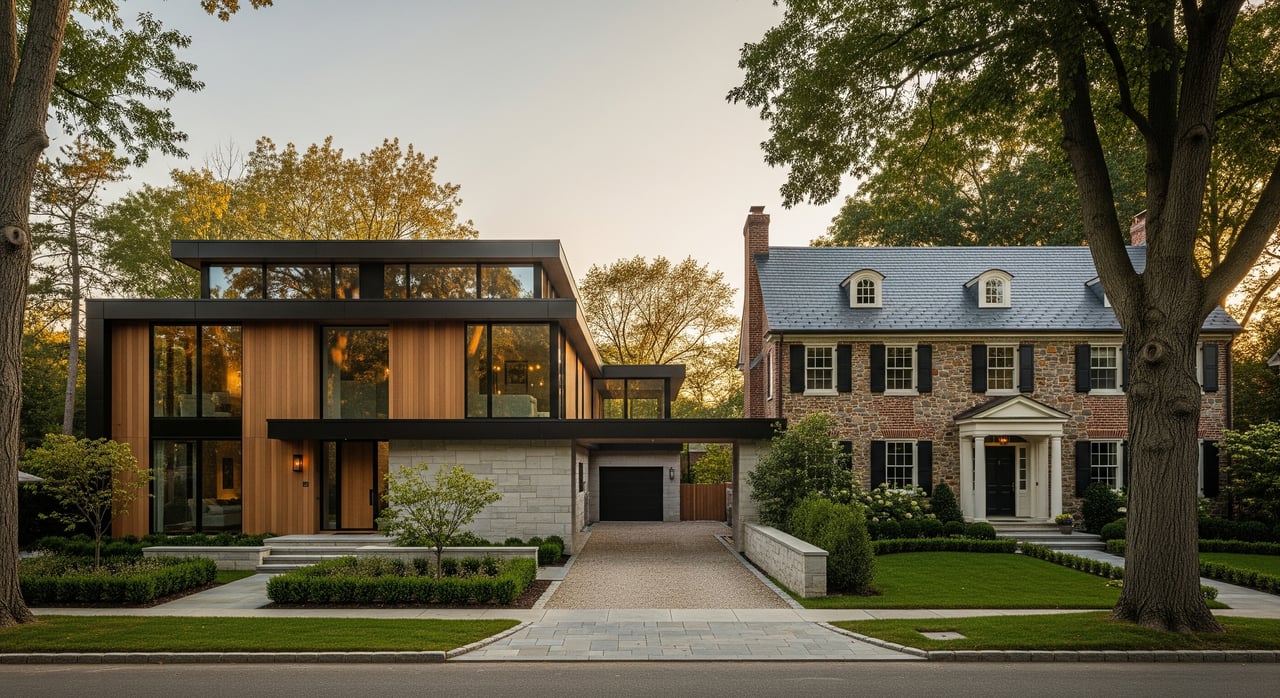
Trying to choose between a brand-new home and a classic Main Line property in Newtown Square? You are not alone. Buyers here often weigh modern amenities and low maintenance against lot size, mature trees, and historic character. This guide gives you a clear, local comparison plus a simple decision framework you can use today. Let’s dive in.
How the market differs
Newtown Square sits in the Main Line suburban ring west of Philadelphia. You will find a true mix here. There are established neighborhoods with stone Colonials and larger estate lots, as well as newer planned communities built over the last 10 to 20 years. If you are comparing a Liseter-style new community with an older Main Line home, you are really deciding between convenience and customization on one side, and land, character, and privacy on the other.
Costs to compare
Purchase price
New construction often carries a premium for modern floor plans, current finishes, and warranties. Builders may offer limited incentives, such as closing cost help or a rate buydown, which can offset the higher price. Resale prices vary. Some older estates list higher due to lot size and location, while smaller or dated homes may price lower but need renovation.
Property taxes
Property taxes depend on assessed value and local rates. Larger lots and historic estates can have higher assessments. If taxes are a key factor for you, verify the current assessment and any appeal history through Delaware County records before you write an offer.
Ongoing ownership costs
New communities often have monthly HOA dues that support amenities, common-area maintenance, and sometimes exterior care. You may see lower utility bills if the home includes efficient systems and insulation. Many older resales have no HOA or only modest community dues, which keeps monthly costs predictable, but plan for a higher maintenance reserve and potentially higher utilities, especially if systems or windows are original.
Lot size and outdoor space
Newer subdivisions typically offer smaller lots with compact yards. You may gain shared green space, sidewalks, trails, or a clubhouse depending on the community. Landscaping in new communities may be newly planted, so shade and privacy take time to mature. Established Main Line properties often provide larger lots, mature trees, and more privacy. You may also have room for an addition, pool, or outbuilding, subject to zoning. Mature trees add beauty and shade, but they also come with maintenance and potential storm-related costs.
Style and layout
New construction leans toward open-concept living with large kitchens, ample storage, and primary-suite layouts that support modern life. If you purchase early in the build, you may choose finishes and some options. Older homes offer a range of architectural styles like stone Colonials and Tudors. Rooms may be more compartmentalized, which some buyers find cozy and others plan to open up. Remodeling can achieve a modern flow, but be prepared for permits and potential code upgrades.
Systems and efficiency
New homes today are often built with better baseline efficiency, such as improved insulation, high-efficiency HVAC, ENERGY STAR appliances, LED lighting, and smart-home wiring. These features can reduce operating costs and may qualify for rebates through utility or state programs. Older Main Line homes can be made more efficient with targeted upgrades. Insulation, air sealing, high-efficiency HVAC, and window improvements can deliver real savings over time, but you will need an upfront budget and a plan.
Warranties and risk
New construction commonly includes layered warranties. Many builders provide one year for workmanship, two years for certain mechanical systems or trades, and a 10-year structural warranty. Always review the written warranty and provider details so you know what is covered and how claims work. Resale homes do not come with builder warranties. You will rely on inspections, negotiated repairs, homeowner maintenance records, and your insurance. You can also explore third-party home warranty plans if they fit your risk tolerance.
HOAs and amenities
Most new-construction neighborhoods have homeowners associations. HOAs set community standards for exterior appearance, collect dues, maintain amenities, and manage common spaces. This structure can help preserve property values, but it also limits certain alterations. In older neighborhoods, you may encounter a civic association or no association at all. You will likely have more freedom to change landscaping or exteriors, but fewer shared services. Whatever you choose, review governing documents, budgets, reserves, meeting minutes, and any fee history so you understand both rules and financial health.
Timeline and process
With new construction, your timeline is longer. A production build can take several months, and weather or supply issues can create delays. You may pay deposits for options, make design selections on a schedule, and complete a punch list near closing. Resale purchases usually close faster once financing and inspections are complete. Inspections and any negotiated repairs can extend the process slightly, but you can often move within 30 to 60 days depending on your loan and the seller’s needs.
Financing basics
New construction can involve construction-to-permanent loans or standard mortgages for near-complete inventory homes. Builders sometimes offer incentives or preferred-lender options, and your lender may require a different appraisal process or completion certificates. Resale financing follows the conventional path. Appraisals will lean on comparable sales in mature neighborhoods, which can move quickly in a changing market. Work with a local lender who understands Newtown Square so you can time your rate lock and documentation correctly.
At-a-glance comparison
| Factor | New Construction | Resale Main Line |
|---|---|---|
| Upfront price | Often higher, incentives possible | Varies by lot, location, and updates |
| Monthly costs | HOA dues, often lower utilities | Usually no HOA, higher maintenance reserve |
| Lot size | Typically smaller private yards | Often larger lots, mature trees |
| Layout | Open concept, modern suites | Classic layouts, remodel potential |
| Energy use | Higher efficiency baseline | Can be upgraded over time |
| Risk profile | Warranties reduce near-term risk | Inspection driven, potential surprises |
| Timeline | Longer build process | Faster close possible |
| Rules and amenities | HOA oversight, shared amenities | More flexibility, fewer shared services |
A simple decision framework
Use this checklist to clarify your best path:
Budget and total cost
- Include price, closing costs, taxes, HOA dues, utilities, and a maintenance reserve.
- For older homes, add a repair and renovation budget for roof, HVAC, electrical, windows, and baths.
- For new builds, budget for landscaping, window treatments, deck or patio, and any lot premium.
Lifestyle and maintenance
- Prefer low maintenance, uniform aesthetics, and amenities like trails or a clubhouse? New communities fit well.
- Prefer privacy, larger yards, mature trees, and room to expand? Established properties fit better.
Timing and flexibility
- Need to move quickly? Resale is usually faster.
- Want fresh finishes and some customization? New construction can be worth the wait.
Long-term value and resale
- In Newtown Square, buyers will pay for land and location, and many also pay for modern layouts and low-maintenance living.
- Ask your agent to pull recent neighborhood comparables so you can see how each micro-area appreciates.
Risk tolerance
- Prefer fewer surprise repairs in the first few years? New construction with warranties offers peace of mind.
- Comfortable managing projects and upgrades? A resale can create equity through improvements.
Local due diligence checklist
For new construction
- Review the full builder warranty, including coverage limits, timelines, and claim procedures.
- Confirm the warranty carrier and whether coverage is transferable.
- Ask for recent examples of completed homes and references in the area.
- Study HOA documents: CC&Rs, bylaws, budgets, reserve studies, meeting minutes, and any litigation or special assessments.
- Verify anticipated tax assessment, projected HOA dues, and builder incentive terms.
- Confirm selections deadlines, change-order policies, and estimated completion dates.
For resale homes
- Hire a licensed home inspector and add specialized inspections as needed, such as chimney, pest, radon, septic, or well.
- Request maintenance records and permits for past work.
- Check township zoning for addition potential, setbacks, and stormwater rules.
- Assess energy upgrade needs and get ballpark estimates for insulation and HVAC.
- Verify taxes and any recent assessment changes with the county.
For any property in Newtown Square
- Confirm commute patterns, access to regional rail or major routes, and proximity to services important to you.
- Use current local sales data to benchmark price and time on market. Ask your agent to provide recent comps.
- If schools matter for your move, review district boundaries and official resources to confirm assignments.
Which option fits you
If you want a turnkey lifestyle with contemporary spaces and fewer immediate repairs, a new-construction community may be your best fit. You will likely trade a larger private yard for shared amenities and HOA oversight, but you gain efficiency and predictability. If you value privacy, land, mature landscaping, and distinctive architecture, an established Main Line home may serve you better. You will want a proactive maintenance plan and a renovation budget, but you gain long-term flexibility and character that is hard to replicate.
If you are still torn, tour both options back to back on the same day. Stand in the kitchen, look out to the yard, and picture your daily routine. The right choice usually becomes clear when you experience both lifestyles side by side.
Ready to compare your short list with real numbers and neighborhood comps in Newtown Square? Schedule a consultation with Larisa Bevan to walk through options, budgeting, and timing.
FAQs
What are the biggest cost differences in Newtown Square?
- New builds often have higher purchase prices and HOA dues but can deliver lower utilities. Resales may avoid HOAs but require a larger maintenance reserve and potential upgrades.
How much longer does new construction take to close?
- A production build can take several months from contract to delivery, while many resales can close in about 30 to 60 days depending on financing and contingencies.
Do new homes really save on utilities?
- Many do, thanks to better insulation, efficient HVAC, and ENERGY STAR appliances. Ask for equipment specs and any projected utility estimates to compare apples to apples.
How restrictive are HOAs in newer communities?
- It varies. Some HOAs focus on maintenance and amenities with moderate rules, while others have stricter architectural guidelines. Always review CC&Rs, budgets, and meeting minutes before you commit.
Can an older Main Line home match new-home efficiency?
- Yes, with upgrades such as insulation, air sealing, high-efficiency HVAC, and window improvements. You will need an upfront budget and a plan to prioritize the work over time.
Which option tends to hold value better locally?
- Both can perform well. Estate-lot properties attract buyers who value land and location, while many buyers pay premiums for modern layouts and low maintenance. Use neighborhood comps to guide your decision.