If you want a premium result in Newtown Square, preparation matters as much as timing. Buyers in this market have options, and when they compare homes online and in person, condition, presentation, and pricing all come under a microscope. The good news is that you do not need to overhaul everything to stand out. With the right plan, you can focus on the updates that support value, reduce surprises, and help your home make a strong first impression. Let’s dive in.
Why prep matters in Newtown Square
Newtown Square sits in a high-value segment of Delaware County, with a mix of suburban homes, older stone properties, larger estates, and remaining farm settings. That variety gives buyers a wide range of choices, which means they often compare not just size and location, but also upkeep, flow, and overall presentation.
Recent market data points to a balanced market. Zillow reported an average home value of $783,451 as of April 30, 2026, up 3.8% year over year. Realtor.com reported a median listing price of $817,000 in March 2026, with 53 homes for sale, a 26-day median time on market, and a 98% sale-to-list ratio.
In a market like this, premium sales usually come from smart preparation and pricing discipline. Instead of pouring money into a major remodel, many sellers are better served by improving what buyers see first, addressing known issues early, and launching with polished marketing.
Start with repairs, not remodeling
One of the biggest mistakes sellers make is spending on cosmetic upgrades before dealing with underlying issues. In Pennsylvania, sellers must disclose known material defects before the agreement of sale is signed. The state disclosure form covers major categories like roofing, structural problems, water intrusion, plumbing, HVAC, electrical systems, drainage, and more.
That makes repair triage the first step. If you know about an aging roof, a damp basement, drainage concerns, or a mechanical system issue, address those items before choosing paint colors or new light fixtures. Serious defects can affect buyer confidence, inspections, and negotiations.
This does not mean you need to renovate every dated space. It means your first dollars should go toward issues that affect the home’s integrity, function, or disclosure profile. A clean inspection path often supports a stronger sale than a flashy update hiding deferred maintenance.
What to review first
- Roof condition and any active leaks
- Basement moisture or water intrusion
- Plumbing, electrical, heating, and air conditioning systems
- Structural concerns or signs of settlement
- Drainage problems around the lot
- Evidence of termites or wood-destroying insects
- Any additions, remodeling, or site features that need documentation
- Stormwater-related items if applicable
Focus on the rooms buyers notice most
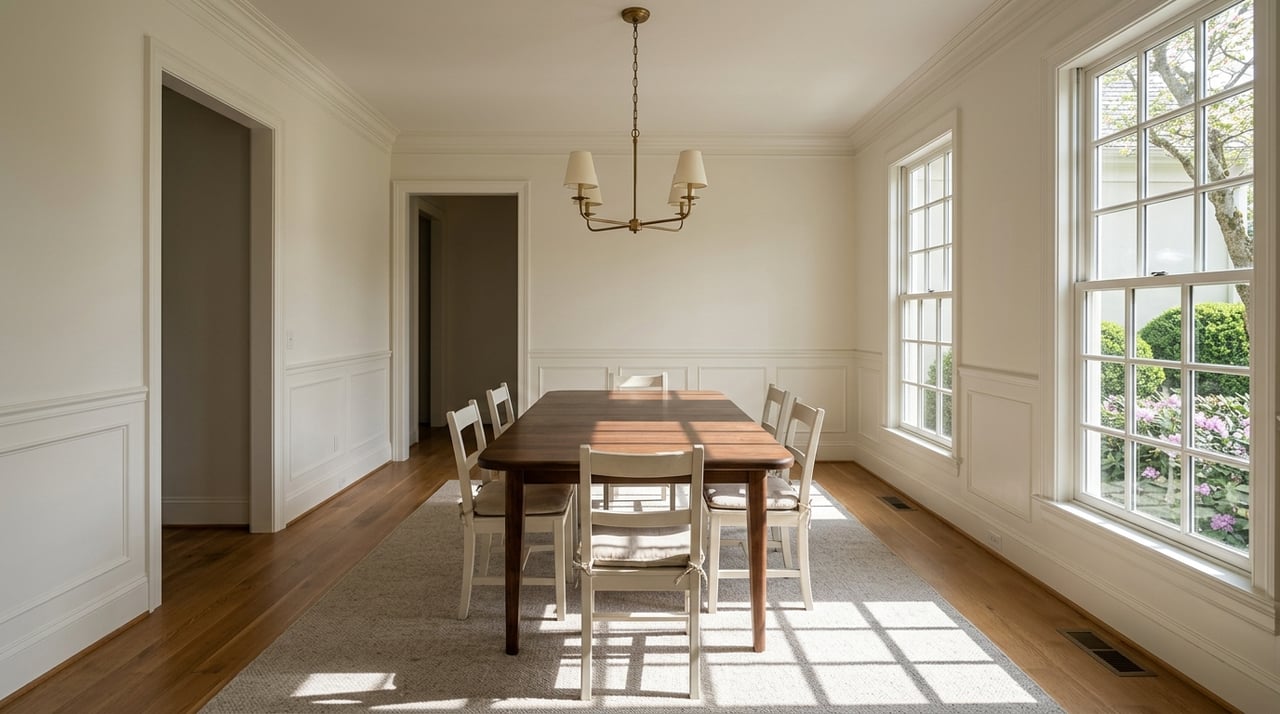
Once repairs are under control, shift to presentation. Staging is not about making your home look fake or overly designed. It is about helping buyers see the space clearly and imagine how they would live in it.
According to NAR’s 2025 staging guidance, 83% of buyers’ agents said staging made it easier for buyers to visualize a property as their future home. More than a quarter of professionals reported that staged homes received offers 1% to 10% higher, and about half of sellers’ agents said staging shortened time on market.
That matters in Newtown Square, where many buyers are comparing premium homes and expect them to feel bright, functional, and well cared for. NAR also reports that buyer expectations have risen, with many buyers feeling disappointed when homes do not match what they expected from online images.
Stage these spaces first
NAR identified these as the most commonly staged rooms:
- Living room
- Primary bedroom
- Dining room
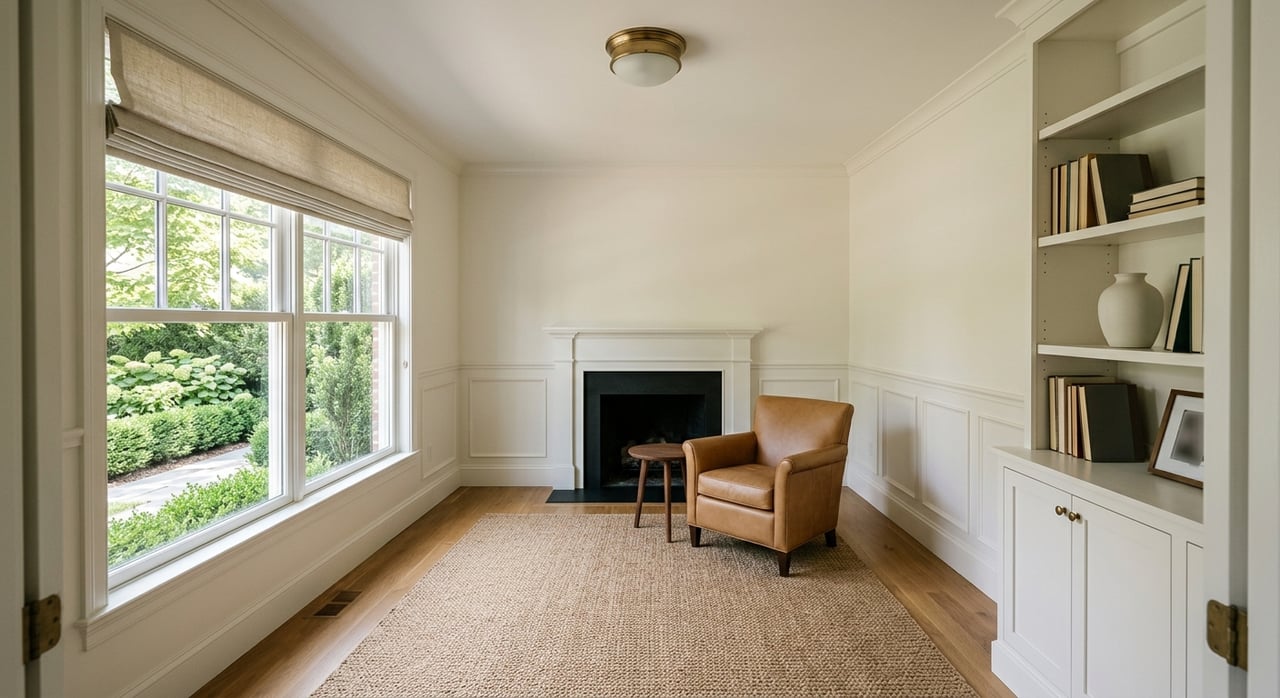
If your home also has a bonus room, office, or guest space, give it a clear purpose. Flexible rooms are a feature many buyers notice, especially when they can see exactly how a space could function.
Keep updates simple and strategic
For most sellers, the best return comes from a repair-and-refresh approach. That means making the home feel clean, current, and cared for without overcapitalizing.
Useful staging and prep moves include decluttering, removing personal items, updating bedding and towels, reducing bulky furniture, and using neutral paint where needed. Closets should look organized rather than packed, and each room should have a clear function.
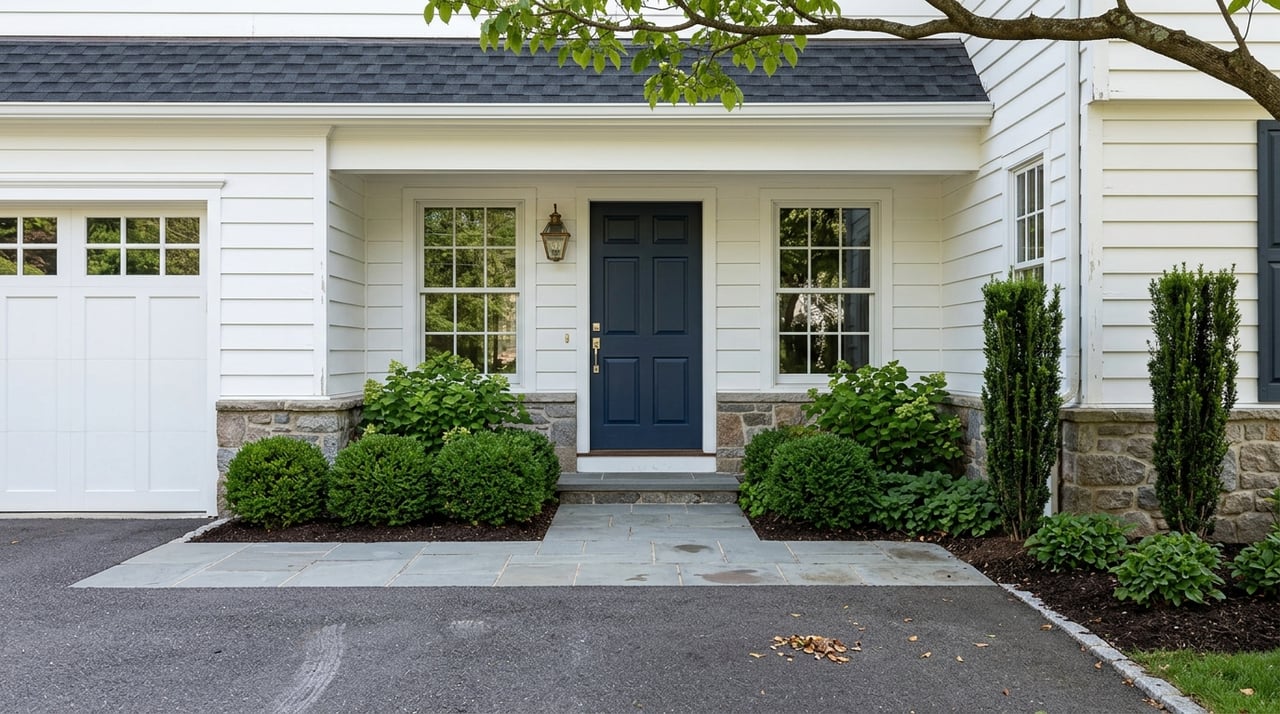
If you are deciding where to spend money, exterior projects often outperform major interior renovations. Zonda’s 2024 Cost vs. Value report found especially strong returns for garage door replacement, steel entry door replacement, and manufactured stone veneer, while a minor kitchen remodel came in at a lower return.
That does not mean every seller should replace a garage door or front door. It means visible, lower-disruption upgrades often make more financial sense than a large interior project when you are preparing for resale.
High-impact prep ideas
- Fresh neutral paint in worn or highly personalized rooms
- Deep cleaning from top to bottom
- Window washing for better light
- Updated towels and bedding
- Furniture editing to improve flow
- Entry refresh with a clean mat and tidy front approach
- Mulch, trimming, and simple potted plants near the entry
- Exterior touch-ups where wear shows in photos
Curb appeal matters more than you think
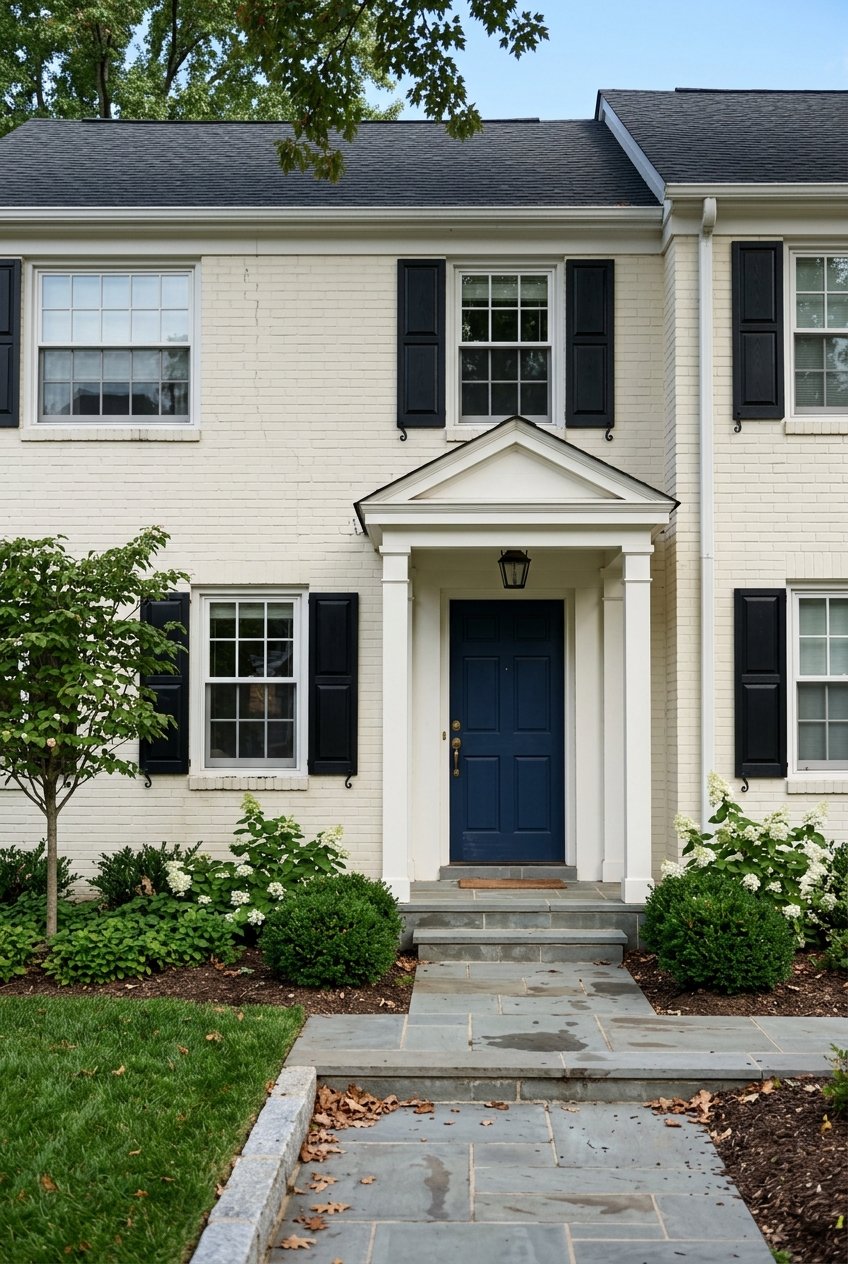
Your exterior does two jobs. First, it shapes the buyer’s first impression in person. Second, it often becomes the image that drives interest online.
NAR reports that 81% of buyers rated listing photos as the most useful feature in an online home search, and the first image can shape whether a buyer clicks through. That means your front elevation, driveway approach, landscaping, and entry should be camera-ready before the photographer arrives.
In Newtown Square, where many homes sit on mature lots and offer a classic suburban setting, outdoor presentation carries weight. Buyers respond to a home that looks maintained, welcoming, and easy to enjoy.
Exterior details worth your attention
- Clean walkways and driveway edges
- Neatly trimmed hedges and foundation plantings
- Healthy lawn or well-managed seasonal appearance
- Clear gutters and clean siding
- A polished front door and updated hardware if needed
- Outdoor spaces arranged for use, not storage
Usable outdoor areas are one of the features buyers tend to notice. Patios, porches, decks, and lawn areas should feel simple, open, and ready for everyday living or entertaining.
Prepare for photos before you go live
Photography should not be the last item on your list. It should be part of the preparation strategy from the start.
Most buyers begin online. NAR says 52% of buyers found the home they purchased online, and nearly half started their search there. If your photos are dark, cluttered, or taken before the home is truly ready, you may lose interest during the most important launch window.
Professional photography works best after cleaning, decluttering, staging, and exterior touch-ups are complete. The opening image should be chosen carefully, based on the strongest exterior or lifestyle-driven view, not just whichever photo appears first.
If virtual staging is used, materially altered photos should be disclosed so buyers are not misled. The goal is not to create a different house. The goal is to present your home honestly and at its best.
Build a Pennsylvania-specific prep plan
Every market has its own practical steps, and Pennsylvania sellers should think about disclosures and testing early. A smoother sale often starts months before the home hits the market.
Pennsylvania’s Seller Disclosure Law requires sellers to disclose known material defects before the agreement of sale. That makes it smart to gather records, identify issues, and decide which repairs or improvements to tackle well in advance.
Radon is another important consideration. The Pennsylvania DEP says the state has one of the most serious radon problems in the country, and about 40% of tested homes are above the EPA action guideline of 4 pCi/L. Because testing is the only way to know, a pre-listing radon test can help reduce inspection surprises and support cleaner negotiations if mitigation is needed.
A practical 6- to 12-month timeline
6 to 12 months before listing
- Review known defects and disclosure items
- Gather service records, permits, and repair history
- Schedule major repairs or system evaluations
- Consider pre-listing radon testing
3 to 6 months before listing
- Complete major repairs or mitigation work
- Tackle drainage, moisture, or exterior issues
- Plan paint touch-ups and cosmetic refreshes
- Begin decluttering and furniture editing
1 to 2 months before listing
- Deep clean the home
- Stage key rooms
- Refresh landscaping and entry areas
- Finalize any light exterior improvements
Final weeks before launch
- Finish styling and remove remaining personal items
- Schedule photography only after the home is fully ready
- Review image selection and launch strategy
- Pair presentation with pricing precision
Price and presentation work together
Even the most beautiful home can lose momentum if it enters the market at the wrong price. In a balanced market like Newtown Square, buyers have enough inventory to compare value closely.
That is why premium-sale strategy is not just about making the home look better. It is also about understanding where your home fits within the local price band and how condition, lot, style, and updates affect that position.
This is where a data-driven approach can make a real difference. When your preparation supports your pricing, buyers are more likely to see the home as justified, desirable, and worth acting on.
The goal is confidence, not over-improvement
A premium sale usually comes from removing friction. Buyers want to feel that a home has been cared for, represented honestly, and brought to market thoughtfully.
In Newtown Square, that often means handling repairs first, making strategic cosmetic improvements, polishing curb appeal, and launching with strong photography. It is a practical approach, but it also creates the emotional confidence that helps buyers move from interest to offer.
If you are thinking about selling, the best next step is to build a prep plan around your home’s condition, timing, and price point. For thoughtful, high-touch guidance tailored to the Newtown Square market, connect with Larisa Bevan.
FAQs
What updates are most worth doing before selling a Newtown Square home?
- The most worthwhile updates are usually repairs, curb appeal improvements, decluttering, neutral paint, cleaning, and exterior touch-ups rather than a major remodel.
Is staging important for a premium home sale in Newtown Square?
- Yes. Staging helps buyers visualize the home, can support stronger offers, and may shorten time on market, especially in a market where buyers compare presentation closely.
What defects do Pennsylvania sellers need to disclose before a sale?
- Pennsylvania sellers must disclose known material defects before the agreement of sale, including issues related to roofing, structure, water, plumbing, HVAC, electrical systems, drainage, insects, and other major property conditions.
Should you test for radon before listing a home in Pennsylvania?
- A pre-listing radon test is a prudent step because Pennsylvania has a high rate of elevated radon levels, and testing is the only way to know whether a home is affected.
Why do listing photos matter so much when selling a Newtown Square home?
- Listing photos matter because many buyers begin their search online, and photos are one of the most useful features in deciding whether to visit a home in person.