Stand on the platform at Devon on a weekday morning and the 7:42 to Philadelphia is the same train that stopped at Paoli four minutes earlier and will stop in Berwyn on its way east. Same conductor. Same rolling stock. Same ride into Suburban Station. If you closed your eyes on the platform, you'd have no idea whether you were about to board in a town where the median home sells for $540,000 or one where it sells for well over a million.
That gap is real, and it's larger than most people comparing these towns expect. It's also not explained by the thing buyers usually reach for first, which is the assumption that one town is simply "better" than the next. The actual explanation is more useful, and more specific to what's sitting on the market this year.
The Number That Doesn't Match Itself
Here's the part that should make any buyer slow down before trusting a single median price. Different trackers following the same twelve months of sales in Berwyn don't agree with each other. One recent tally puts Berwyn's median sale price at roughly $825,000. Another, looking at the same town over a similar window, lists it above $1.1 million, a gap of nearly $300,000 inside a single zip code.
That's not sloppy data. It's a symptom. When a market has very few closed sales to average, one $2.6 million estate sale or one $550,000 fixer-upper can swing the whole number. Wayne shows the same pattern from a different angle: a blended median across all closed sales lands in the high $600,000s, but if you isolate single-family homes only, the range jumps to $850,000 and up. Same town, same period, two very different numbers, because "median home price" depends entirely on which homes happened to sell and how they're being counted.
Paoli and Devon anchor the two ends. Paoli's median runs around $540,000. Devon's runs closer to $1.35 million. That's a spread of roughly $800,000 between towns that share a train line, overlapping zip codes, and a five-minute drive between them.
What Devon's Land Is Actually Selling
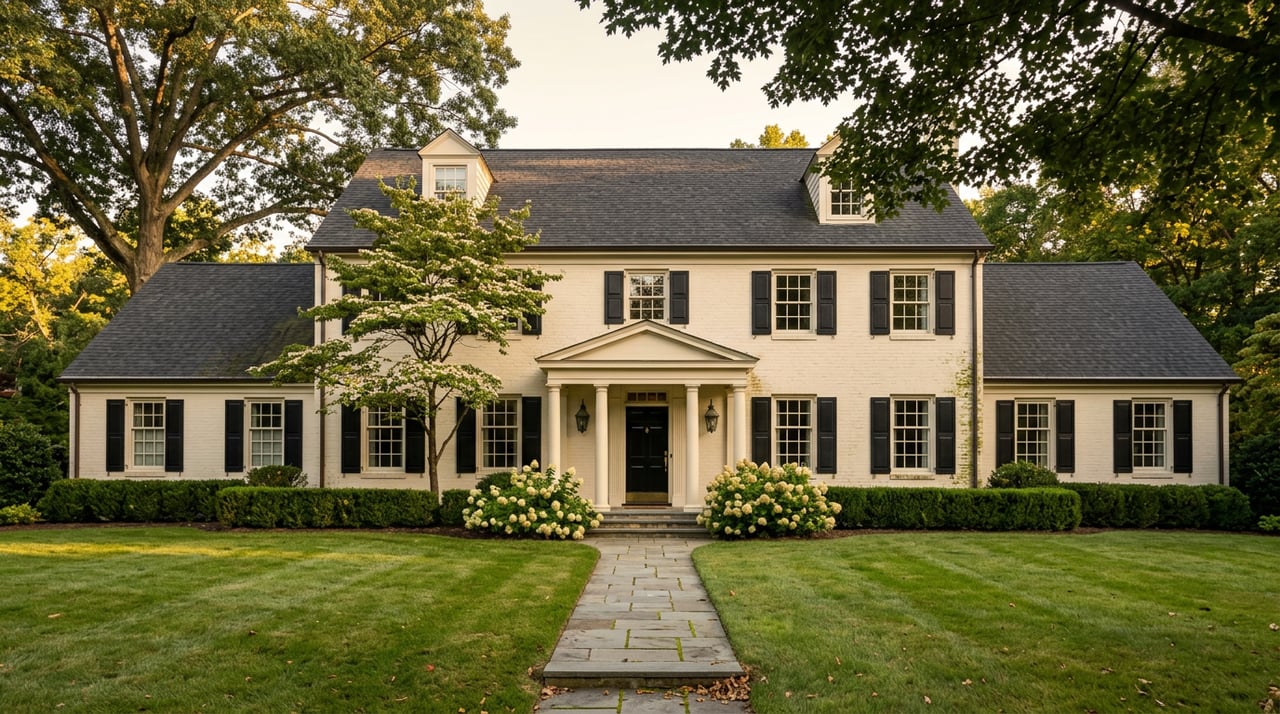
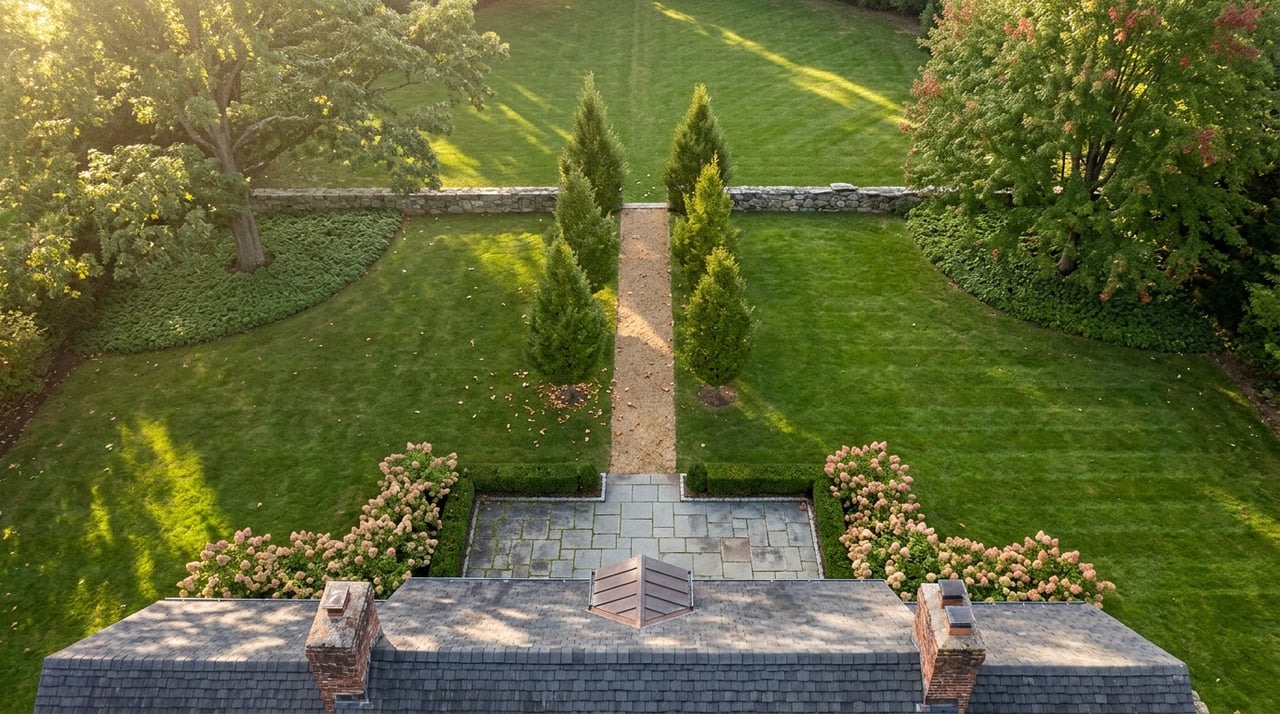
The instinct is to assume Devon costs more because the houses are nicer or newer. They're mostly not. The housing stock immediately around Devon's station is more heavily shaped by construction from 1950 to 1970 than by fresh builds. What Devon is actually selling is land, and specifically the kind of larger lot tied to the town's identity as horse country. The Devon Horse Show, the country's largest outdoor horse competition, has run there since 1896, and that heritage shows up in lot sizes more than it shows up in architectural pedigree.
Devon also isn't winning on walkability, which is the part that surprises people who assume higher price means more amenity. Planning studies covering the station area specifically flag inconsistent sidewalks, difficult intersections and driveways, and limited bicycle infrastructure. You're paying Devon's premium for acreage and address, not for a stroll-to-everything lifestyle.
What Berwyn and Paoli Are Actually Selling
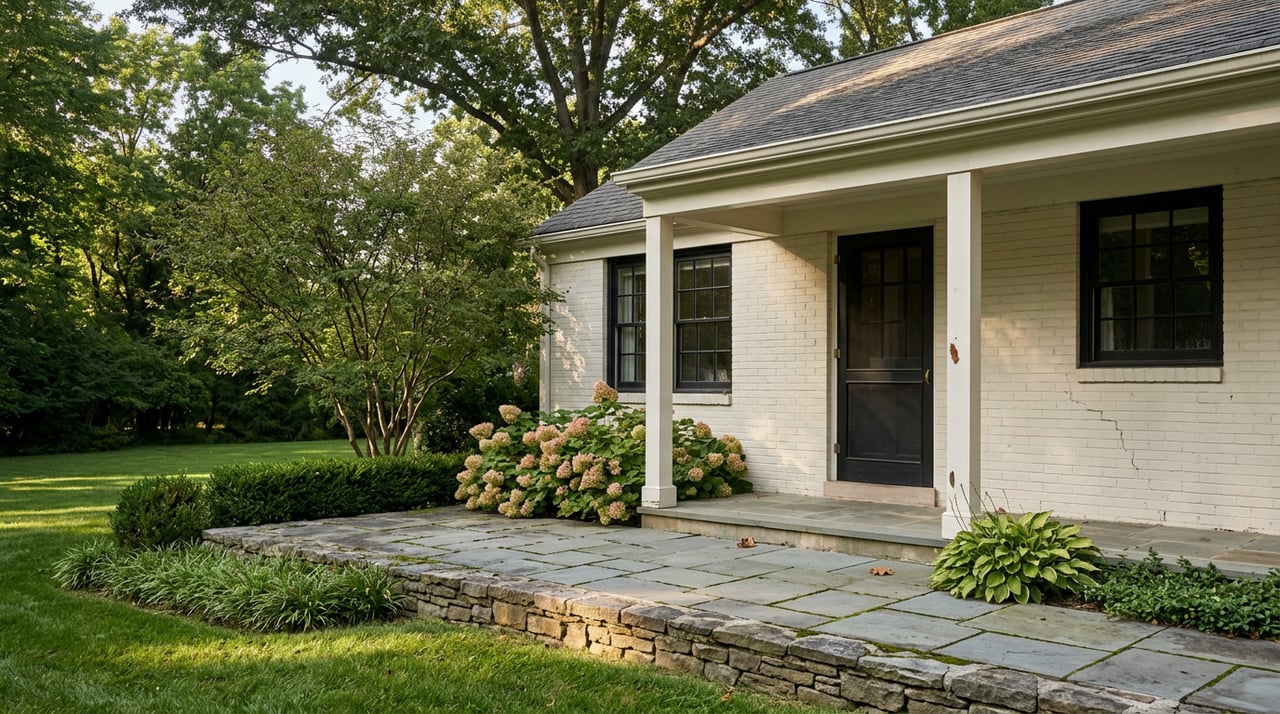
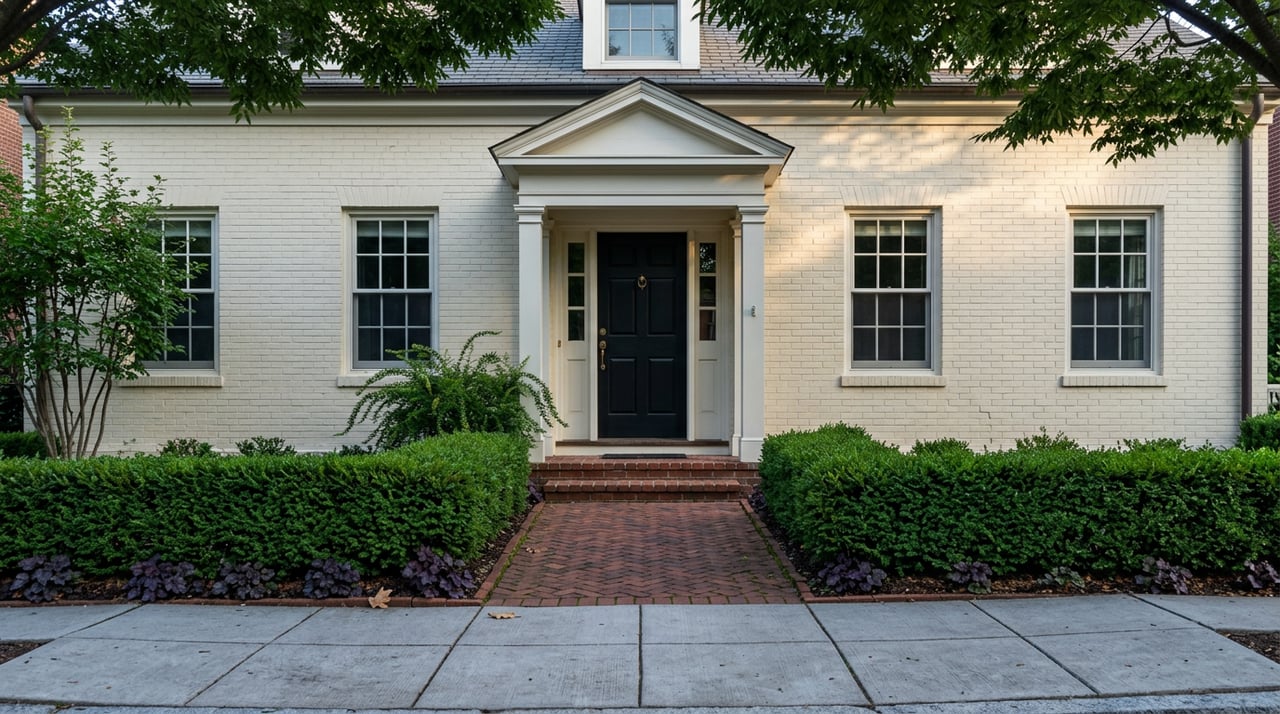
Berwyn is the opposite trade. Its housing stock leans older, more late-1800s and early-1900s in character, and it sits close enough to the platform at 654 E. Lancaster Avenue that walking to the train is normal, not aspirational. La Cabra Brewing, housed in a historic stone building right on Lancaster Avenue with garage doors that open to the sidewalk in warm weather, has become the kind of anchor a town builds an identity around, and it's a short walk from most of Berwyn's housing stock. You're paying Berwyn's price for a compact, walkable village core built into homes that predate the automobile suburb entirely.
Paoli sits at the low end of the price spread for a specific reason: it has the widest mix of housing types and eras of any of the four towns, including more multi-family and condo supply, which pulls its median down relative to detached-home-only comparisons. Paoli also has the deepest transit menu of the group. In addition to the regional rail line, it carries Routes 92, 106, 204, and 206 bus service plus Amtrak access, something none of the other three towns can claim. Buyers who prioritize transit flexibility over village charm often land in Paoli precisely because it offers more ways in and out, not fewer.
| Town | 2026 price signal | What's actually for sale | Getting to the platform |
|---|---|---|---|
| Devon | About $1.35 million median | Larger lots tied to horse-country heritage; station-area homes mostly built 1950 to 1970 | Weakest walkability of the four; planning studies flag sidewalk and crossing gaps |
| Berwyn | $825,000 to $1.1 million-plus depending on the tracker | Detached homes from the late 1800s through early 1900s, walkable to Lancaster Avenue | Station at 654 E. Lancaster Avenue; Route 106 bus |
| Wayne | High $600,000s blended; $850,000-plus for single-family only | Mixed stock: rowhomes and condos pull the blended median down; larger singles push the segment up | Busiest downtown retail corridor of the group |
| Paoli | About $540,000 median | Widest mix of eras and unit types, including more condo and multi-family supply | Broadest transit menu: Routes 92, 106, 204, 206 plus Amtrak |
Why a Handful of Closed Sales Can Move a Median $300,000
The reason these numbers wobble this much comes down to how little inventory exists to average in the first place. Chester County closed July 2026 with a median sale price of $594,900, up three percent from $575,000 a year earlier, against just 830 active listings and roughly 1.4 months of supply countywide. Newly listed homes were moving to pending status in about five to six days, and homes sold for a median of 103 percent of asking price, with more than half of July's closings finishing above list.
At 1.4 months of supply, a town the size of Devon or Paoli might have a dozen or fewer relevant closed sales in a given stretch. When your sample size is that small, one estate sale on a five-acre lot or one starter condo closing can shift the reported median by six figures without the underlying market having moved at all. That's the mechanism behind the conflicting Berwyn numbers, and it's the reason the spread between these four towns looks starker on paper than it feels on the ground.
What This Means If You're Comparing These Towns
If you're cross-shopping Wayne, Berwyn, Paoli, and Devon, the median price is the least useful number on the page. What actually tells you something:
- Lot size and housing vintage, since that's what's driving Devon's number more than any measure of desirability
- Distance to the platform on foot, since Berwyn and Paoli reward walkability in a way Devon's own planning studies say it currently doesn't
- How many comparable sales the median is built on, since a town with five closed sales this quarter is telling you far less than one with fifty
- Whether you're comparing single-family homes to single-family homes, since blending in condos and townhomes, as Wayne's numbers show, can move the headline figure by hundreds of thousands of dollars
None of that shows up in a portal search box. It shows up when someone who tracks these four towns closely pulls the actual comps and walks you through what's really behind the number you're looking at.
A Few Questions Worth Asking Before You Commit
Are these towns really this close together? Yes. All four sit on SEPTA's Paoli/Thorndale Regional Rail Line within a few minutes of each other by train, and the drive between any two is typically under ten minutes.
Does a lower median mean a lower-quality town? Not necessarily. Paoli's lower median reflects a broader mix of housing types, including more condos and multi-family units, not a lower ceiling on what's available there.
How fast are homes moving in this corridor right now? As of July 2026, Chester County homes were moving to pending status in about five to six days on average, with over half of closings finishing above the original asking price. That pace makes it hard to wait and compare at leisure once something in your target town and price range hits the market.
If you're trying to figure out which of these towns actually fits what you want, rather than just which one has the higher number attached to it, that's exactly the kind of comparison Larisa Bevan works through with buyers every week on the Main Line. Schedule a consultation and bring the addresses you've been watching. We'll pull the real comps together and tell you what each one is actually selling.