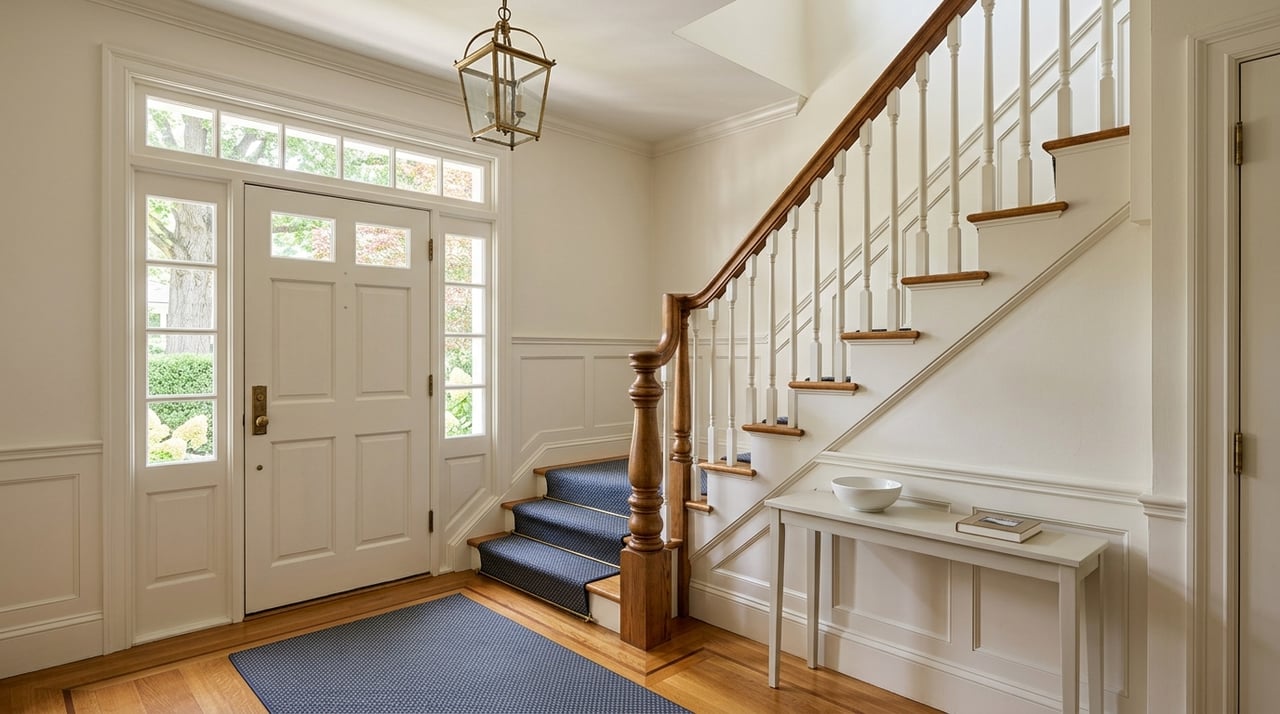
Wondering how to sell a historic home in Lower Merion without losing time, value, or buyer confidence? If you own an older home in Merion or nearby Lower Merion neighborhoods, you are likely balancing pride of ownership with a long list of practical questions. The good news is that with the right plan, you can present your property as a well-cared-for historic home, stay ahead of disclosure issues, and prepare for a smoother sale. Let’s dive in.
Start With Historic Status
Before you price, repair, or photograph the home, confirm whether the property is in a locally designated historic district, listed on Lower Merion’s Historic Resource Inventory, or neither. That status affects what exterior changes may need local review before you list.
Lower Merion has seven locally designated historic districts and nearly 400 properties within them. The township’s Historic Resource Inventory is the official list of designated historic resources, and it is the best starting point for sellers who need clarity on what applies to their home.
Why designation matters
In Lower Merion, review rules depend on where your property falls. The Historic Architectural Review Board, or HARB, reviews visible exterior alterations, new construction, demolition, and signage in local historic districts.
For properties on the Historic Resource Inventory outside local districts, the Historical Commission reviews exterior alterations, new construction, and demolition. The township’s preservation rules are designed to retain historic fabric and appearance visible from the public right of way.
Plan ahead for exterior work
If your pre-listing plan includes exterior updates, timing matters. Lower Merion describes a multi-step review process that can include staff review, board or commission review, committee review, and a Board vote.
HARB applications are due at least 10 days before the meeting, and outcomes may include approval, denial, or a delay of up to 90 days. For sellers, that means any visible exterior project that needs approval should be scheduled well before photography, staging, and launch.
Research Before You Price
Historic homes often sell best when the story is clear. Before setting a price and marketing strategy, gather the facts that help explain the home’s age, evolution, and condition.
Lower Merion provides several local research tools, including the Historic Resource Inventory interactive map, historic district maps, design guidelines, and historic property atlases from 1877, 1937, and 1961. The township’s guide to researching historic properties also points owners to archival files at the Lower Merion Historical Society and local libraries.
Identify key historic features
Buyers notice historic character right away, even if they do not use preservation terms. Character-defining features usually include the visual and physical details that shape the home’s historic appearance, such as roofline, massing, masonry, windows, porches, trim, and site patterns.
As you prepare your listing, it helps to identify which of those features remain original, which were repaired, and which were replaced. That level of clarity can make the home feel more documented and less uncertain to a buyer.
Build a clean paper trail
A strong seller file can make a major difference with an older property. Gather prior permits, certificates of appropriateness if applicable, contractor invoices, surveys, map references, and dated photos of past work.
This documentation helps your listing explain what is original, what was restored, and what was updated over time. It also gives buyers a more complete picture of stewardship, which is often important when they are evaluating a historic home.
Focus on Repair Over Reinvention
When preparing a historic home for sale, the goal is usually not to make it look brand new. The goal is to present it as well maintained, thoughtfully updated, and true to its character.
That matters in Lower Merion, where preservation rules emphasize retaining visible historic fabric. It also matters in marketing, because buyers of historic homes often respond better to authenticity and careful maintenance than to overly modern changes that erase original detail.
Know what may need review
Not every pre-listing project triggers township review. According to Lower Merion, interior work that does not affect the exterior, paint colors of existing materials, in-kind repairs, in-kind replacement, and plantings are not reviewed.
By contrast, visible window replacement, siding replacement, roofing replacement, masonry painting or staining, fences, walls, hardscaping, additions, demolition, and signage can require review. If you are unsure whether a planned project changes the home’s visible exterior character, it is smart to verify that before work begins.
Be ready to explain windows and visible features
Windows are one of the most common buyer questions in older homes. Buyers often want to know whether windows were repaired or replaced and whether the work preserved the home’s visible character.
Historic windows can be important to a building’s appearance, and some energy concerns can be addressed without removing them, including measures like storm windows and weatherstripping. If work has already been done, written records and invoices help support that story.
Tackle Disclosures Early
Historic homes can come with more questions, and that makes early disclosure prep especially important. In Pennsylvania, sellers of residential real property must disclose known material defects before the agreement of transfer is signed.
The statutory disclosure form covers a wide range of topics, including the roof, basements and crawl spaces, pests, structural problems, additions, remodeling, water and sewage, plumbing, heating and air conditioning, electrical systems, hazardous substances, and legal or title issues.
What Pennsylvania requires
Pennsylvania law does not require you to conduct a special investigation before filling out the disclosure form. Still, your answers cannot be false or misleading, and you must update the buyer if a disclosure becomes inaccurate before settlement.
For an older home, that means it is helpful to organize known facts before the property goes live. A complete file can support more accurate answers and reduce last-minute scrambling.
Estate and fiduciary sales
If you are selling on behalf of an estate, one exception matters. Pennsylvania’s seller disclosure law does not apply to transfers by a fiduciary in the administration of a decedent’s estate.
That can affect how the sale is prepared and communicated. For many families and executors handling older homes, a thoughtful sale plan still matters because buyers will likely have questions about the property’s systems, condition, and history.
Get Ahead of Inspections
Many issues in historic homes are manageable, but surprises can create delays or renegotiation. A proactive seller often benefits from identifying obvious concerns before buyers do.
In Pennsylvania, a home inspection is defined as a noninvasive visual examination based on visible and apparent conditions, and the inspection report is not a warranty. The law also gives the seller, on request, the right to receive a copy of the buyer’s inspection report without charge.
Older-home issues that often come up
For homes built before 1978, federal law requires disclosure of known lead-based paint or lead-hazard information, any available records and reports, and an EPA pamphlet for the buyer. Buyers also receive a 10-day opportunity to conduct a lead inspection unless the parties agree otherwise or the buyer waives it.
Radon is another issue worth addressing early in Pennsylvania. The Pennsylvania Department of Environmental Protection says about 40 percent of homes tested in the state are above the EPA action guideline of 4 picocuries per liter, and testing is the only way to know a home’s level.
Why early testing helps
For a historic home, a radon result or lead question can become a late-stage negotiation point if it surfaces after the home is under contract. Early testing and organized records can help you decide whether to address an issue in advance or simply prepare for clear disclosure.
Either way, you are in a stronger position when you know what buyers are likely to find. That can lead to a steadier transaction and fewer surprises during due diligence.
Market the Home as Cared For
The best marketing angle for a historic home is rarely “blank slate.” In Lower Merion, a more effective approach is to present the property as a cared-for home with documented stewardship, visible character, and updates that respect the architecture.
That message can help buyers understand the difference between a house with history and a house with uncertainty. When the home’s features, repairs, and paperwork are clearly organized, the listing can feel more polished and credible.
Questions buyers will ask
Most buyers considering a historic property in Lower Merion want straightforward answers. They often ask:
- Is the property in a local historic district, on the Historic Resource Inventory, or neither?
- Which features are original?
- What was repaired in kind and what was replaced?
- Have the roof, windows, additions, lead-related items, or radon issues been tested, repaired, or mitigated?
- Is there written proof of major work?
When you can answer those questions cleanly, your home is easier to position as a valuable, well-managed property rather than a mystery.
A Smart Seller’s Plan
Selling a historic home in Lower Merion is not just about listing at the right price. It is also about confirming designation, respecting review timelines, documenting work, preparing accurate disclosures, and shaping a marketing story that reflects the home’s care and character.
If you are preparing to sell a historic or estate property in Merion or anywhere in Lower Merion, a thoughtful strategy can protect both timing and presentation. To plan your next steps with local, high-touch guidance, schedule a consultation with Larisa Bevan.
FAQs
What should you check first when selling a historic home in Lower Merion?
- First, confirm whether the property is in a local historic district, listed on the Historic Resource Inventory, or neither, because that determines whether certain exterior changes may need review.
What exterior work may require Lower Merion review before listing?
- Visible exterior changes such as window replacement, siding replacement, roofing replacement, masonry painting or staining, fences, walls, hardscaping, additions, demolition, and signage can require review depending on the property’s designation.
What records help when selling a historic home in Merion?
- Useful records include prior permits, certificates of appropriateness, contractor invoices, surveys, map references, and dated photos that show what is original, repaired, restored, or replaced.
What does Pennsylvania require for seller disclosures on older homes?
- Pennsylvania requires sellers to disclose known material defects before the agreement of transfer is signed, including issues involving the roof, structure, water, plumbing, electrical, hazardous substances, and other major systems or legal matters.
Why should a Lower Merion historic-home seller consider radon testing early?
- Early radon testing can help prevent last-minute renegotiation because testing is the only way to know the home’s level, and Pennsylvania says many homes in the state test above the action guideline.
What lead-based paint rules apply when selling a pre-1978 home in Pennsylvania?
- Sellers of homes built before 1978 must disclose known lead-based paint or lead-hazard information, provide available records and reports, give the buyer an EPA pamphlet, and allow a 10-day lead inspection opportunity unless the parties agree otherwise or the buyer waives it.